Well, it appears that The Visual Theology Guide to the Bible has finally met its match! It looks like there is a new competitor to challenge it. This is called The Bible Book, and I am actually very thankful to have bought it. This was the only copy left in my city; all the local bookstores seemed to be completely sold out of it. I don’t know why—I don’t know if there was a limited stock or if it is just an incredibly popular release—but there was only one lone copy left at a particular bookstore, so I am very glad to have acquired it.
This will be my very first look inside. The Bible Book is published by DK, a publisher that is really all about exploration and visual learning. They have done a whole slew of all types of books on various topics, and they finally did one on the Bible.
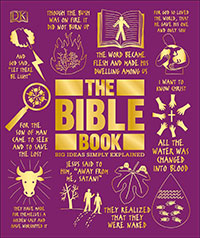
It has a really nice hardcover design with great artwork featuring a variety of symbols and pictures on the back that most people will easily recognize, such as the Ten Commandments, and Jonah and the whale. The back cover poses several compelling questions:
How does God speak through prophecy?
What was the meaning of the laborers in the vineyard parable?
What is the significance of the Transfiguration?
Examining the scriptures from Genesis to Revelation, this book explores and analyzes the key stories, events, and teachings in one of the world’s most important religious texts.
Collaborative Authorship and Contents Overview
Because it is a wide hardcover book, one immediate benefit is that it lays perfectly flat the moment you open it. Looking inside, we see a list of multiple contributors rather than a single author. I wouldn’t expect a single author to handle an undertaking of this massive size. Having multiple contributors is usually a great sign for an informational book like this; it means a significant amount of collective time, expertise, and resources went into putting it together.
The table of contents is broken down cleanly:
Genesis
Exodus
The Historical Books
Wisdom and Prophets
The Gospels
Acts, Epistles, and Revelation
It is pretty clear from the layout that it isn’t going to go through all 66 books individually, but they are definitely going to touch on the entire biblical narrative in some respect.
Visual Layout: DK vs. Visual Theology
While I initially said this could be a direct competitor to The Visual Theology Guide to the Bible, looking closer reveals that it is actually a different type of visual book entirely. Visual Theology focused strictly on custom illustrations, graphics, and a heavy statistical side to map out data. The Bible Book, on the other hand, mixes its text with actual historical photos, artwork, and paintings.
I must say that I am deeply impressed with the layout. It definitely has a vibrant magazine feel to it. Yes, there is a ton of text here, but thankfully, they spread the layout out so beautifully across the pages that it never feels like a daunting wall of words. Even for the most avid reader, pure text can sometimes feel overwhelming, but this format completely solves that.
Structuring Context and Tough Passages
A major highlight of the book’s formatting is the inclusion of “In Brief” sidebar boxes. These boxes immediately ground the reading by summarizing:
The specific scripture passages being examined
The core theme
The historical setting
The key figures involved (such as Abraham, Sarah, Hagar, and Ishmael)
It gets straight to the point. For example, in the section on Noah’s Ark, it immediately establishes the central themes of obedience and trust in God. When exploring God’s promise to Abraham to make him a great nation, it provides a comprehensive breakdown of the five great covenants of the Bible: Noah, Abraham, Moses, David, and Jesus, while contextualizing the broader Abrahamic faiths.
Even though this is a very text-heavy resource, the formatting invites you to jump in, explore, and just continue reading. It is the kind of book where you could just sit around all day flipping through the pages. It adds so much necessary context to biblical history and famous stories. It tackles tough or unusual passages that people frequently get tripped up on, such as “a land flowing with milk and honey” or the story of the Lord opening the mouth of Balaam’s donkey. Skeptics and readers alike often wonder how to interpret those events, and this book addresses them directly.
Final Verdict
Flipping right to the end through the Acts, Epistles, and Revelation sections, you hit a comprehensive historical directory and a glossary. I don’t think I’ve ever come across a biblical resource quite like this before; it is just incredible.
I paid $32 Canadian for this copy, which translates to roughly $25 American. Obviously, this massive volume is not portable by any sense of the word, but it makes for a fantastic coffee table book or study resource to keep at home and read all day. I am incredibly impressed with it and give it an absolute endorsement.